
Shopping in Varanasi is more than simply buying souvenirs. The city’s old lanes are filled with Banarasi silk, brassware, religious items, handicrafts, jewellery and traditional textiles. From the busy streets around Godowlia to the textile-focused markets around Chowk, every shopping area has something different to offer.
If you are visiting Varanasi for the first time, knowing where to shop in Varanasi can save time and help you choose the right products. Some markets are better for Banarasi sarees, while others are known for brassware, religious souvenirs, handicrafts or everyday shopping.
This guide covers the best markets in Varanasi, what to buy, Banarasi saree shopping tips, approximate price ranges and practical advice to help you plan your shopping trip.
Best Markets in Varanasi at a Glance
| Varanasi Market | Best For | Approx. Price Range |
| Godowlia Market | Clothes, fabrics and souvenirs | ₹100 onwards |
| Vishwanath Gali | Religious items and souvenirs | ₹50 onwards |
| Thatheri Bazar | Brass and copper products | ₹200 onwards |
| Chowk | Sarees and traditional textiles | ₹500 onwards |
| Dashashwamedh Gali | Religious souvenirs and gifts | ₹50 onwards |
| Lahurabir | Clothes, silk and everyday shopping | ₹100 onwards |
| Peeli Kothi | Silk and textile products | Varies |
Prices are indicative and can vary based on material, craftsmanship, design, shop and product quality.
The Most Famous Market in Varanasi
There is no single market that is best for everyone. The most famous market in Varanasi depends on what you want to buy.
1. Godowlia Market
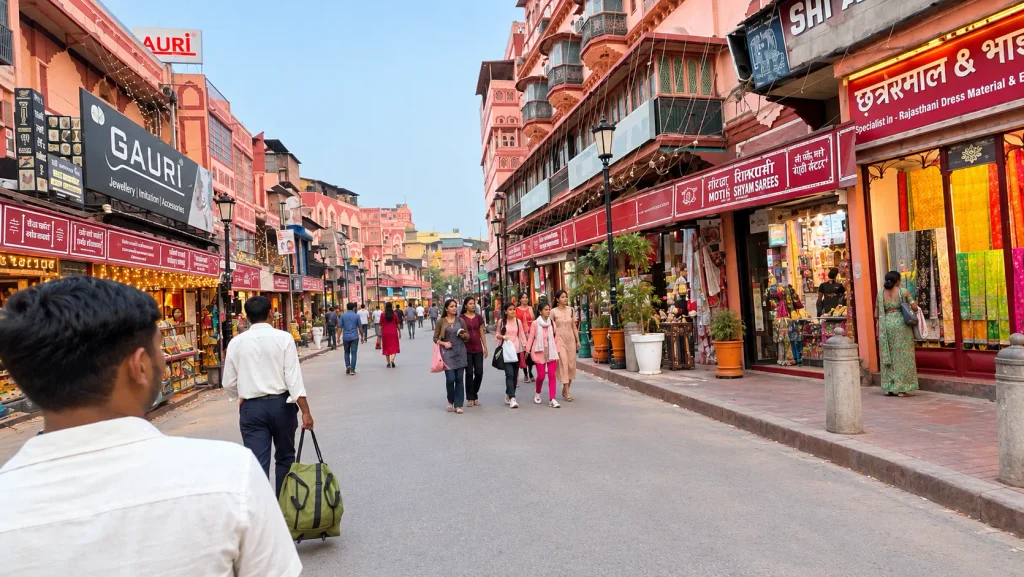
Best for: Clothes, fabrics, souvenirs and Banarasi silk
Location: Dashashwamedh Road, near Ramapura Luxa, Godowlia, Varanasi, Uttar Pradesh, 221001
Godowlia is one of the city’s best-known shopping areas and a useful starting point for first-time visitors. Shops around the area sell clothes, fabrics, souvenirs, religious products, jewellery and everyday items.
The market can get busy, particularly later in the day, so allow extra time when walking between shops. Government tourism information also highlights Godowlia as an important destination for Banarasi silk and traditional shopping.
2. Vishwanath Gali
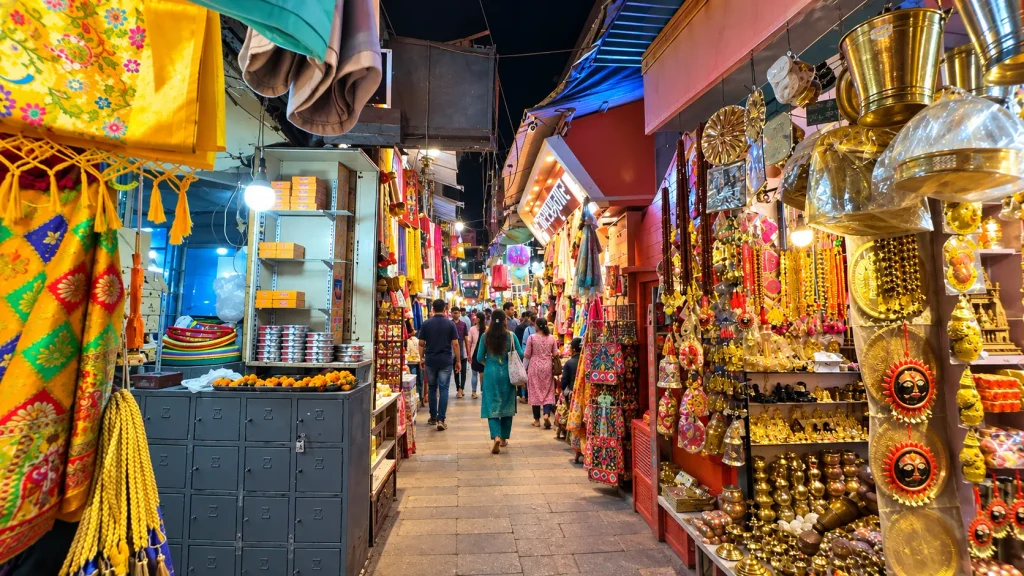
Best for: Religious souvenirs, spiritual products and small gifts
Location: Right next to Kashi Vishwanath Mandir Temple
Vishwanath Gali is close to the Kashi Vishwanath Temple area and is popular for religious and cultural products. You can find brass idols, rudraksha malas, puja items, religious books and small souvenirs.
The narrow lanes are best explored on foot. Keep your belongings secure and avoid carrying more shopping bags than you can comfortably manage.
Hourly Hotels in Varanasi
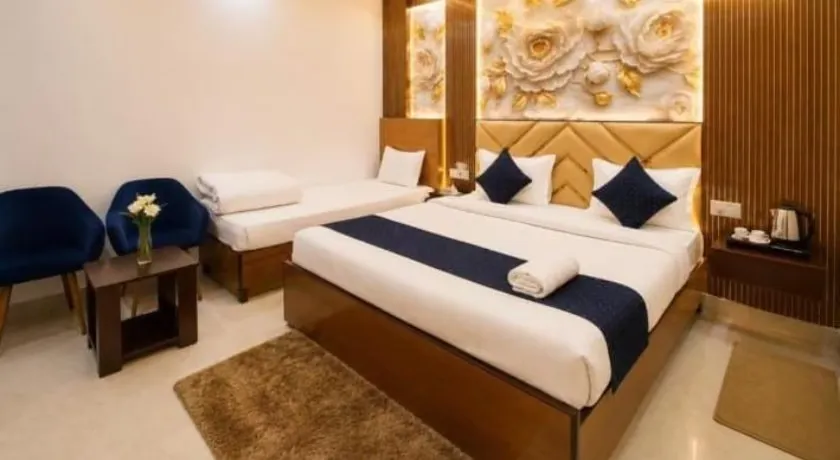
Atlantis Suites by Signature Stayz
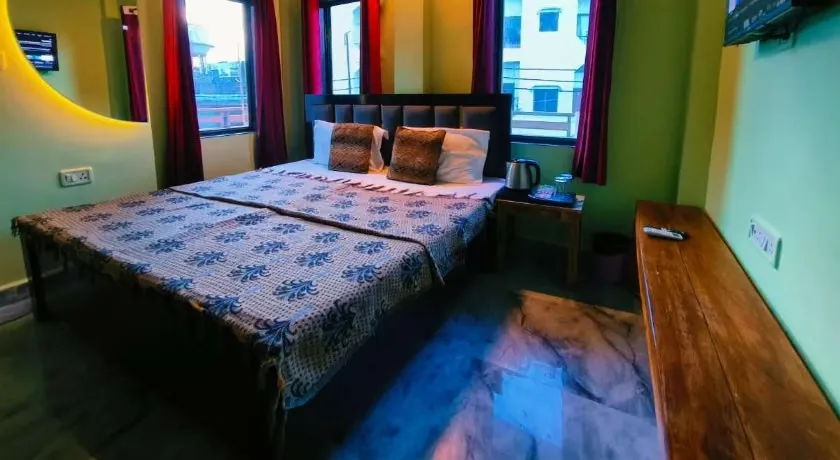
Hotel Glory Residency and Cafe
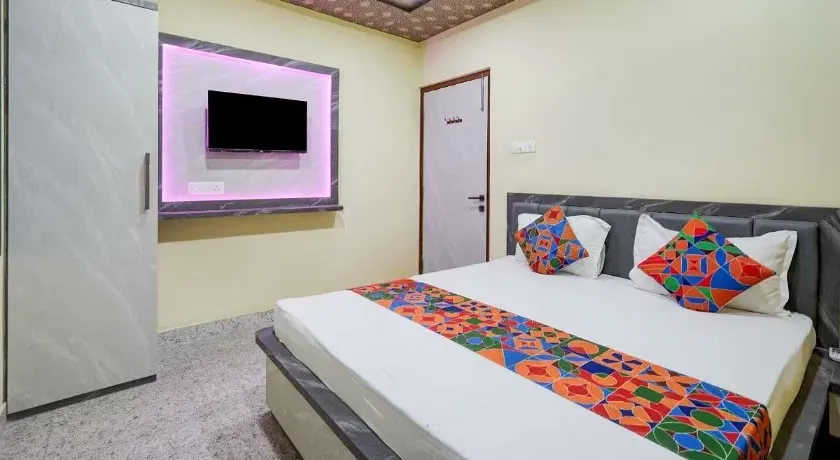
Shivkashi Inn
3. Thatheri Bazar
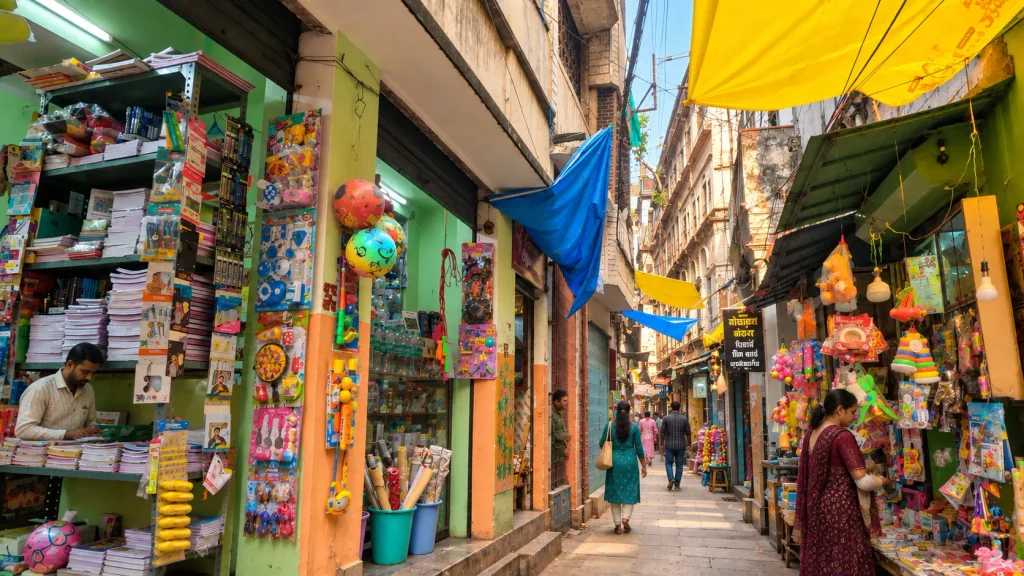
Best for: Brassware, copperware, utensils and handicrafts
Location: Old city area of Varanasi near Maidagin and Chowk
Thatheri Bazar is particularly known for traditional brass and copper craftsmanship. Products can include plates, bowls, lamps, statues, decorative pieces and religious objects. Incredible India also identifies Thatheri Bazar with brass and copper craftsmanship.
When buying metal products, compare the weight, finish, design and price of similar items from different shops.
4. Chowk
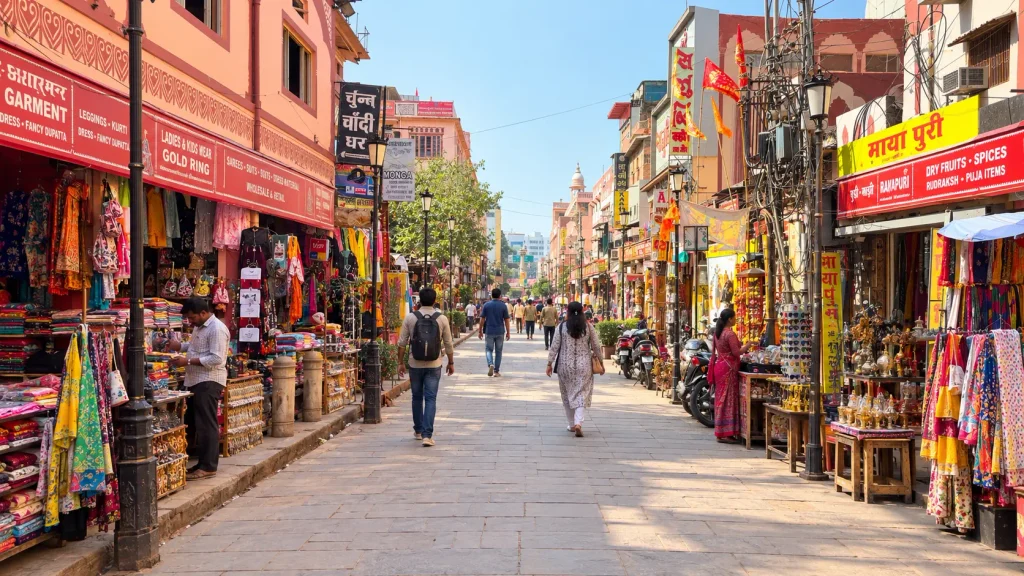
Best for: Banarasi sarees, textiles, jewellery and traditional products
Location: Old city area of Varanasi, near the famous Kashi Vishwanath Temple and Godowli
Chowk is one of the traditional commercial areas of Varanasi and is a useful stop for textiles, traditional clothing, jewellery and handicrafts.
If your main goal is saree shopping in Varanasi, spend enough time comparing different designs, fabrics and weaving techniques rather than buying from the first shop you visit.
Also Read: Famous Food Places in Varanasi That You Must Try
5. Dashashwamedh Gali
Best for: Souvenirs, religious products and small gifts
Location: Near Godowlia area of Varanasi, Uttar Pradesh
The lanes around Dashashwamedh Ghat are convenient for shopping while exploring one of Varanasi’s most popular areas. You can find religious products, small handicrafts, decorative pieces and souvenirs.
It is a practical choice if you want to combine sightseeing and shopping during the same outing.
Couple Friendly Hotels in Varanasi
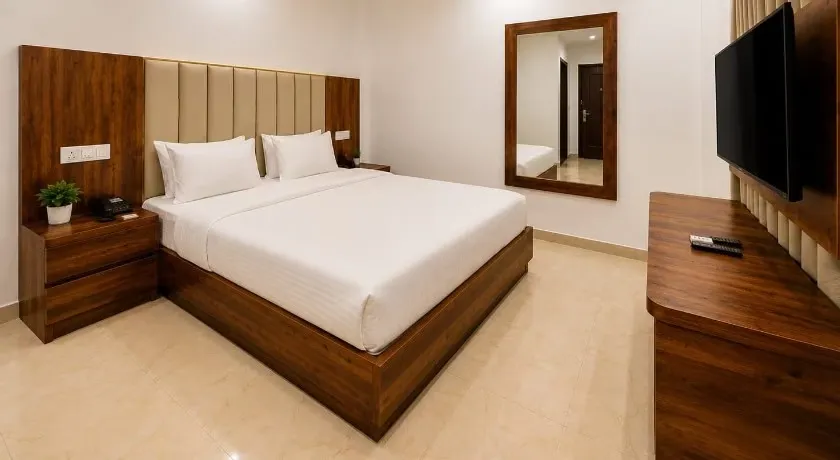
Hotel Velora Inn by Manora
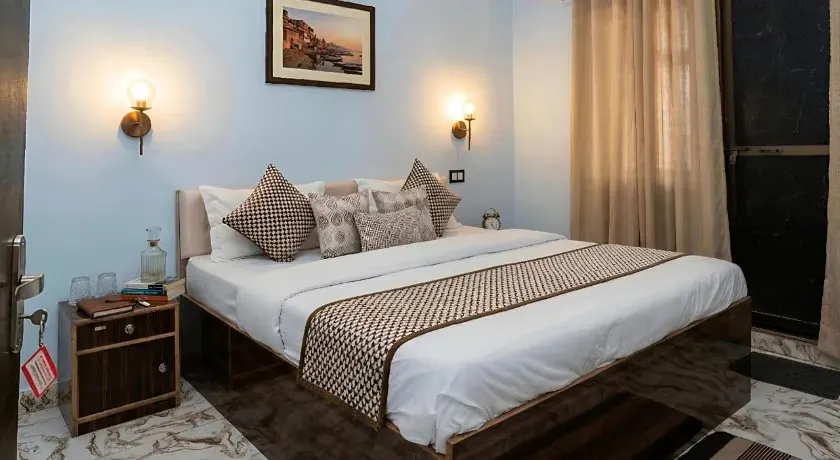
Hotel Pavitram The BHU Stay
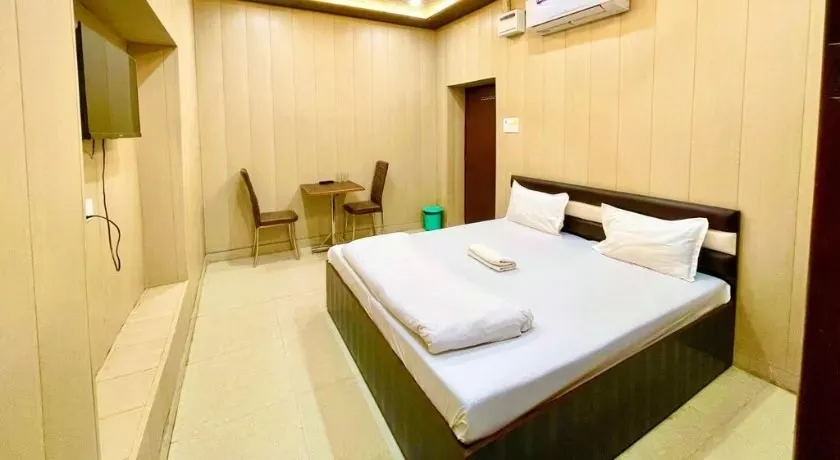
Hotel Dev Villa
6. Lahurabir
Best for: Silk fabrics, clothes, jewellery and everyday shopping
Location: Central Location of Varanasi
Lahurabir is another shopping area worth considering for visitors looking for silk fabrics, clothing, jewellery and everyday products. Tourism information for Varanasi also highlights the area for Banarasi sarees and silk fabrics.
What Is Famous in Varanasi for Shopping?
Varanasi is especially famous for products connected with its textile, handicraft and religious traditions. The Uttar Pradesh government’s tourism policy identifies Banarasi sarees, Gulabi Meenakari, wooden toys and stone carving among the crafts associated with Varanasi.
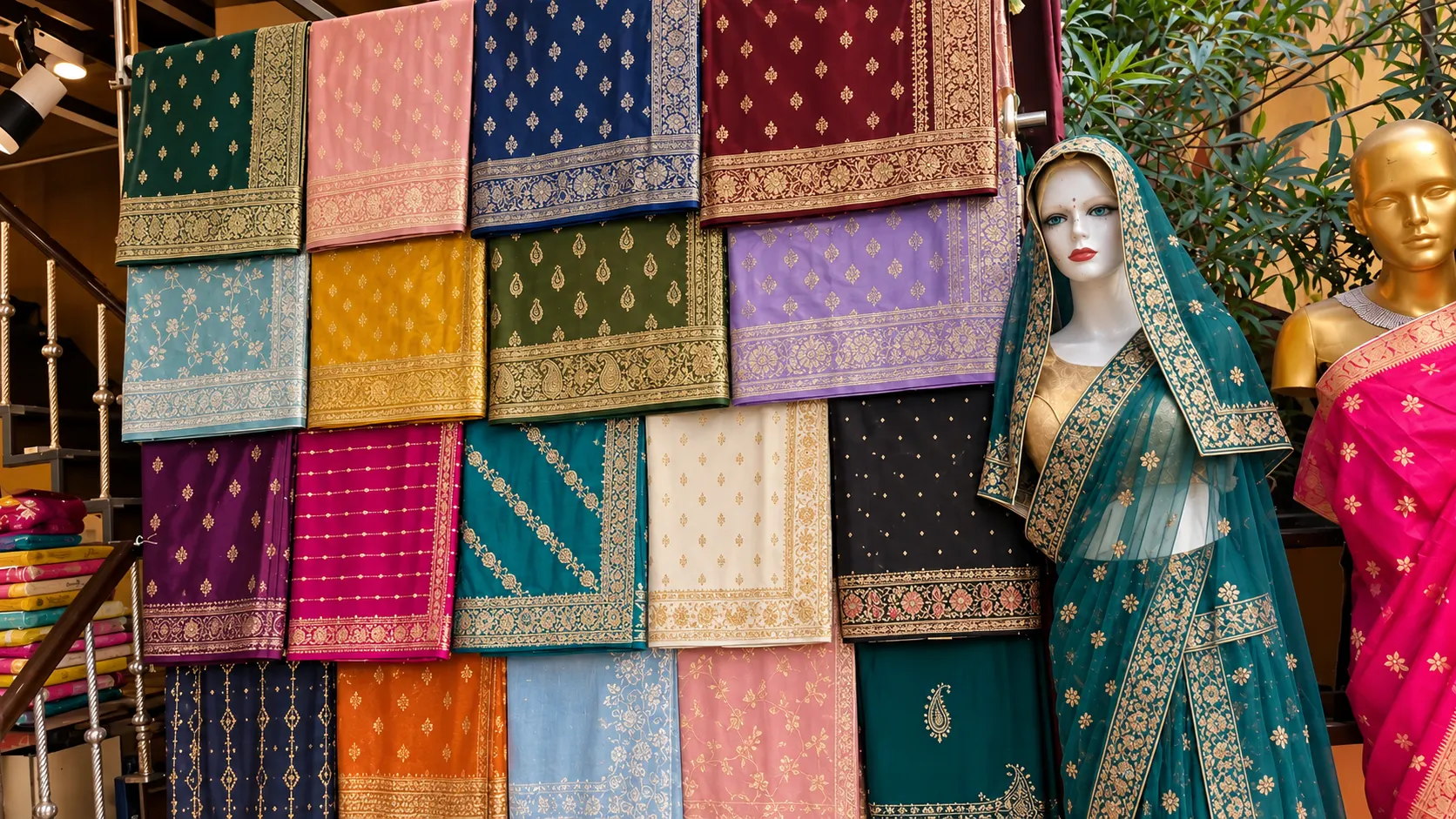
- Banarasi Silk Sarees: Banarasi sarees are the most famous product to buy in Varanasi. They are available in many designs, fabrics, colours and price ranges. Traditional pieces can feature detailed motifs and zari work, making them popular for weddings, festivals and special occasions.
- Gulabi Meenakari: Gulabi Meenakari is a traditional enamel craft associated with Varanasi. Jewellery and decorative pieces featuring pink enamel work can make distinctive souvenirs.
- Brass and Copper Products: Brass and copper products are widely associated with Varanasi’s traditional craft culture. Popular purchases include diyas, idols, utensils, lamps and decorative pieces.
- Rudraksha and Religious Products: Because Varanasi is an important pilgrimage destination, religious products are widely available. Rudraksha malas, puja products, idols and religious books are common purchases around temple and ghat areas.
- Wooden Toys and Handicrafts: Traditional wooden toys and handicrafts are another option if you want smaller gifts that are easy to carry.
- Ganga Jal Containers: Small copper, brass or other containers used for carrying Ganga water are popular among pilgrims and visitors.
Saree Shopping in Varanasi: What You Should Know
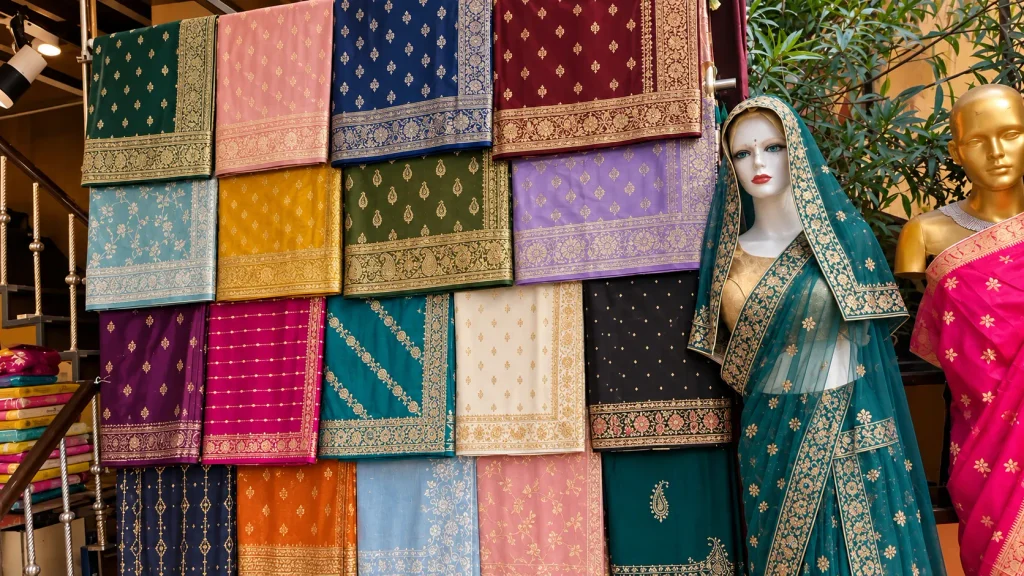
For many visitors, buying a Banarasi saree is the highlight of shopping in Varanasi. However, sarees sold under the Banarasi name can differ considerably in material, weaving technique and craftsmanship.
Before buying an expensive saree, ask the seller:
- Is it pure silk or a blended fabric?
- Is it handwoven or powerloom?
- What type of zari has been used?
- Does it carry a Handloom Mark or relevant certification?
- Where was it made?
- What are the care instructions?
- Can you provide a bill or purchase receipt?
The Handloom Mark is an official identity for handwoven products, and the scheme is implemented by the Textiles Committee. Its official guidance recommends looking for the Handloom Mark label when purchasing handloom products.
For pure silk, the Silk Mark Organisation of India provides a separate authenticity label for authorised users of genuine silk products. Its label includes a unique number that can be used to trace the product to the authorised user.
How to Identify a Good Banarasi Saree
Don’t rely only on how a saree feels or looks.
- Check the fabric: Ask whether the saree is pure silk, a silk blend or another material. If the seller claims that it is pure silk, ask about the relevant Silk Mark documentation where applicable.
- Check the weaving: Look closely at the motifs, borders and reverse side. Fine and detailed weaving can indicate substantial craftsmanship, but visual inspection alone should not be treated as proof of authenticity.
- Check the zari: Ask what type of zari has been used and whether the price reflects the material and workmanship.
- Look for certification: For handloom products, ask about the Handloom Mark. For pure silk, look for an appropriate Silk Mark label from an authorised user.
Compare different shops
Visit at least two or three sellers before making a high-value purchase. Comparing similar sarees gives you a better idea of quality and pricing.
Banarasi Saree Price in Varanasi
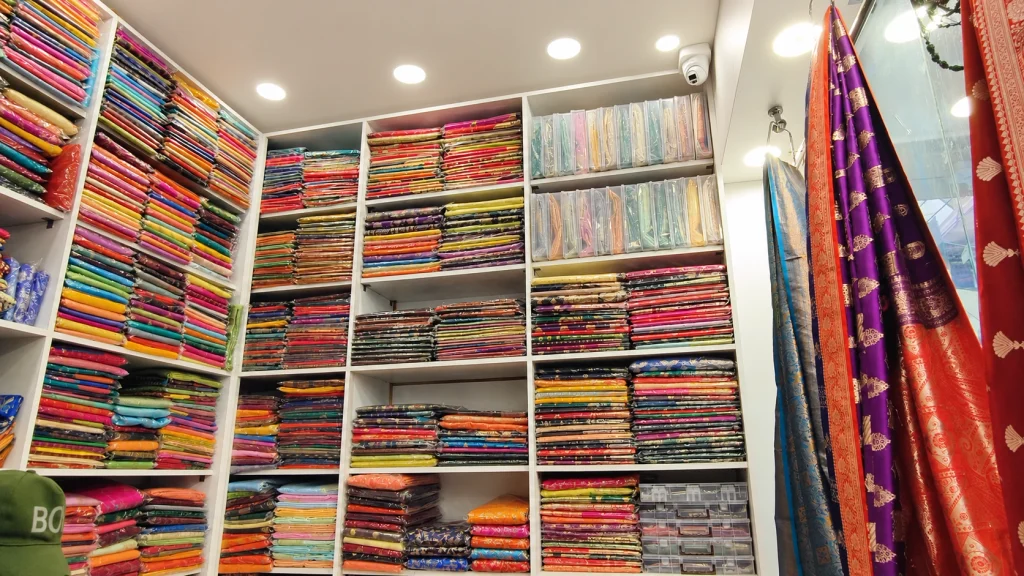
There is no fixed price for a Banarasi saree. The final price depends on the fabric, weaving method, zari, design, craftsmanship and seller.
As a broad shopping guide:
- Budget options: around ₹1,000–₹3,000
- Mid-range sarees: around ₹3,000–₹10,000
- Premium sarees: ₹10,000 and above
- High-end handcrafted pieces: can cost considerably more
These are only indicative ranges. Handcrafted sarees using premium materials and detailed weaving can cost significantly more.
Also Read: Local Food of Varanasi That You Shouldn’t Miss
Where to Buy an Original Banarasi Saree in Varanasi?
If you are specifically looking for an original Banarasi saree, don’t rush the purchase.
Explore traditional textile areas such as Chowk, Peeli Kothi and other established silk-shopping areas. Rajan Silk Market near Godowlia is another recognised silk-shopping destination highlighted by Incredible India, with Banarasi silk and different silk fabric varieties available.
For expensive purchases, prioritise established sellers, ask for documentation and retain your bill.
You can also use the official India Handloom resources to find recognised handloom sellers and information about handloom products.
What Souvenirs Should You Buy from Varanasi?
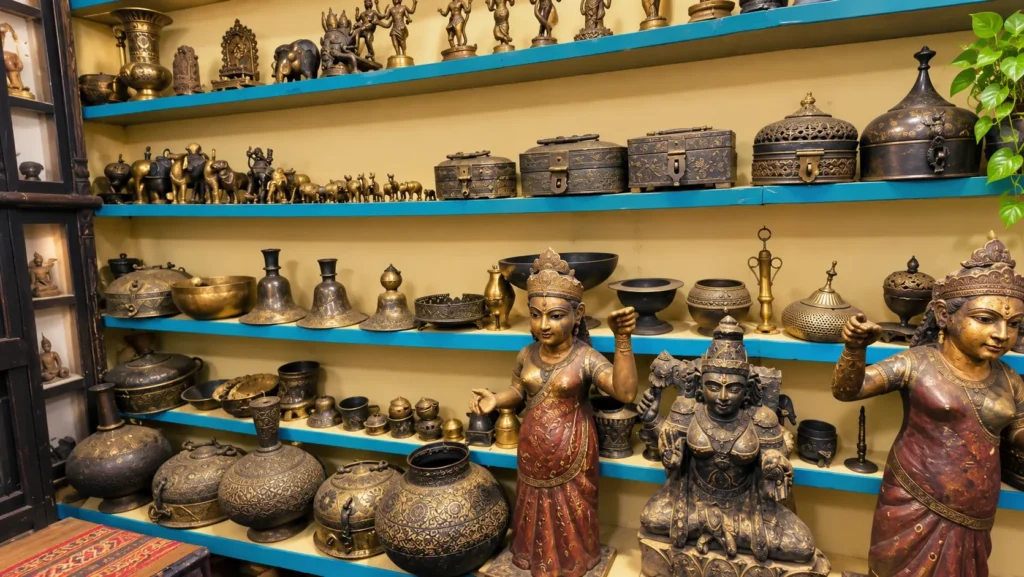
If you don’t want to spend a large amount on shopping, there are plenty of smaller souvenirs to choose from:
- Small brass idols
- Copper or brass diyas
- Rudraksha malas
- Religious books
- Ganga Jal containers
- Wooden handicrafts
- Silk scarves and stoles
- Small decorative pieces
- Traditional jewellery
- Handcrafted products
When choosing souvenirs, consider their size and weight, especially if Varanasi is one stop on a longer trip.
How Much Should You Bargain in Varanasi?
Bargaining can work in many informal street markets and souvenir shops, but it isn’t appropriate everywhere.
Fixed-price stores, established showrooms and some government-supported outlets may have limited flexibility.
A good approach is to compare prices first and negotiate politely. For expensive sarees and handicrafts, focus on quality, material and authenticity rather than simply getting the lowest possible price.
Best Time to Visit Varanasi Markets
Late morning through the afternoon can be convenient for shopping, but individual shops and markets can have different opening hours.
If you want a more comfortable experience, consider starting earlier in the day. Markets close to major temples and ghats can become crowded, so allow additional time for walking.
Always check the opening status of a specific shop or market before making a dedicated trip.
Essential Shopping Tips for Varanasi
- Compare prices before making an expensive purchase.
- Ask whether a saree is handwoven or powerloom.
- Ask about relevant certification for high-value handloom or silk products.
- Keep the purchase bill for expensive items.
- Bargain politely in informal markets.
- Don’t assume every seller negotiates.
- Carry a reusable shopping bag.
- Keep some cash with you even though digital payments are widely used.
- Keep your belongings secure in crowded lanes.
- Inspect silk and handicraft products before paying.
- Ask about return or exchange policies before purchasing expensive items.
- Don’t judge authenticity based only on touch or appearance.
- Ask about packaging if you are buying fragile or bulky products.
Shopping and Exploring Varanasi Without Getting Tired
Exploring Varanasi’s old markets involves plenty of walking, and carrying shopping bags for several hours can quickly become tiring.
If you have a gap between hotel check-out and your next travel plan, an hourly hotel in Varanasi can give you a convenient place to rest, freshen up and organise your shopping bags before heading out again.
Brevistay can be useful for travellers who need a room for a few hours rather than booking a full overnight stay. This can be particularly convenient when you want to take a break between shopping, sightseeing and your onward journey.